Native App Development in Sector 14
Trusted Native App Development in Sector 14, Haryana
Native App Development for businesses in Sector 14, Haryana, from a Bengaluru team that cares about results.
If you're planning an app for customers or staff in Sector 14, Haryana, we'll help you shape the idea, design screens people understand instantly and build something that works reliably on every device.
Sector 14, an established market and residential sector in Gurugram, is exactly the kind of neighbourhood where local search, WhatsApp and a good website decide who gets the customer.
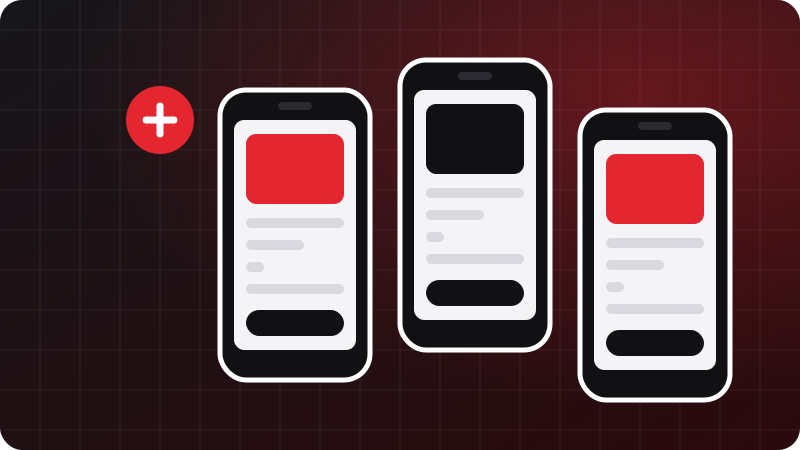
Why now, in Sector 14
For businesses in Sector 14 built around corporate headquarters, IT, consulting, real estate and startups, an app can cut phone calls, speed up orders and keep customers coming back through timely notifications.
What our Native App Development includes
Better security
Platform-level encryption, keychain and secure enclave support.
Full hardware access
Camera, GPS, Bluetooth, NFC, biometrics and sensors.
Day-one OS features
Adopt new Android and iOS features the day they launch.
Top performance
Direct access to device hardware for speed and battery efficiency.
Where we usually start in Sector 14
- Budget for two codebases and two teams.
- Choose native when performance, graphics or hardware access matter most.
- Plan shared back-end APIs for both apps.
Industries we serve in Sector 14
Whatever your sector, we've probably worked with someone like you. In Sector 14 that often means corporate headquarters, IT, consulting, real estate and startups, and also:
- Real estate
- Manufacturing
- Finance & insurance
- Non-profits
- Logistics
- Retail & D2C brands
Working with DigiGlobal from Sector 14
Most of our clients outside Bengaluru, including in Sector 14, never feel the distance. We communicate the way you prefer: calls, WhatsApp or email.
Every project starts with a free consultation. You'll then receive a fixed, itemised quote in rupees, so you know the full cost before any work begins.
Read more about our Native App Development service, or see everything we offer in Sector 14.
Talk to a specialist about native app development in Sector 14. It's free, with no obligation.
WhatsApp usNative App Development cost in Sector 14, explained
The cost of native app development depends mostly on the number of screens, whether you need Android, iOS or both, and how much happens on the server. A simple app with a handful of screens and a basic admin panel typically starts around ₹1.5 to ₹3 lakh, a marketplace or booking app with payments usually needs ₹4 to ₹10 lakh, and complex apps with real-time features cost more. We break the build into milestones so you pay as you see progress.
What affects the price
- Support and updates after launch
- Admin panel and reporting needs
- Payments, maps, chat or video features
- App store publishing and testing on real devices
- Android, iOS or both (or one cross-platform app)
How to choose the right native app development company in Sector 14
Most problems with native app development projects come from choosing a partner too quickly. A short, structured comparison saves time and money later. Use these points when you speak to any company in Sector 14.
- Understand ownership. Make sure you will own your domain, code, designs, ad accounts and data, with full access from day one.
- Watch for guarantees. Be wary of anyone guaranteeing first-page rankings or overnight results. Honest partners explain what is realistic.
- Agree how success is measured. Agree the numbers that matter, such as leads, sales, speed or users, before work starts, so progress is easy to judge.
- Check who does the work. Find out whether the work is done in-house or passed to freelancers, and who your day-to-day contact will be.
- Ask for relevant work. Look at projects similar to yours in size and industry, and ask what results they produced, not just how they look.
Native App Development in Sector 14: timeline and process
A first version of an app usually takes eight to sixteen weeks from kick-off to the app stores. Breaking it into clear stages keeps the project on track and lets you test early.
- Planning (weeks 1–2) User journeys, feature list and a clickable prototype you can try on your phone.
- Design (weeks 2–4) Screen designs for every step, checked against Android and Apple guidelines.
- Development (weeks 4–12) The app, admin panel and server are built in two-week sprints with a test build after each one.
- Testing and release (weeks 12–16) Testing on real devices, store listings, approval and launch, followed by a stabilisation period.
Avoid these native app development mistakes
We are often asked to fix work that went wrong elsewhere. These are the mistakes that cost businesses the most, and they are easy to avoid once you know them.
- Forgetting about updates for new Android and iOS versions.
- Underestimating the admin panel that your team will use every day.
- Building every feature at once instead of launching a focused first version.
- Choosing technology because it is fashionable rather than because it fits the app.
Want a second opinion on native app development in Sector 14? Book a free 30-minute call and we will review your plans with you.
Why clients in Sector 14 stay with us
Honest advice
We'll tell you when you don't need something, even if it means a smaller project.
Fixed, honest quotes
Clear scope and a fixed price before we start. No hidden extras.
On time, every time
Realistic timelines with weekly updates, so you always know where things stand.
Native App Development in Sector 14: common questions
Can you meet us in person in Sector 14?
We work mostly over video calls and WhatsApp, and we travel for important meetings when it helps the project.
Have you worked with businesses like mine in Sector 14?
We work across many industries, including those Sector 14 is known for. Tell us about your business and we'll share relevant examples.
Do you offer support after the project is finished?
Yes. Every project includes a free support period, and we offer affordable monthly and yearly plans after that.
Is native development more expensive?
Typically 30–60% more than cross-platform, since two codebases are built. For many apps the performance and quality benefits are worth it.